


1. Define Your Objectives and Prioritize
Clarity is power: Before you start spending, clearly define the objectives of your event. What do you want to achieve? What is the key message you want to convey? Prioritize your expenses: Once you have your objectives clear, prioritize the most important elements to achieve them. Invest more in the aspects that will have the greatest impact on your guests.
2. Look for Alternatives That Fit Your Budget
Alternative venues: Consider unconventional spaces such as parks, art galleries, or even your own office to reduce costs. Creative catering: Opt for a buffet or food stations instead of a full table service. Consider more informal catering options and use seasonal products. Be flexible with dates: If you have flexibility with dates, you can get better prices, especially outside peak season.
3. Be Creative
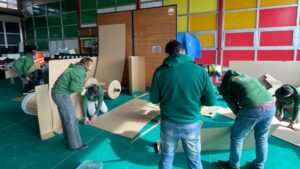
DIY: Make some decorations yourself or with the help of your employees. Recycle and reuse: Use recycled materials to create original and sustainable décor. Collaborate with other companies: Seek collaborations with other businesses to obtain discounts on products or services.
4. Measure Success
Conduct surveys: Carry out surveys with your attendees to learn about their opinions and improve future events. Remember that a successful event does not have to mean a big budget. With creativity and planning, you can organize a memorable event that leaves a great impression on your guests.